
Advanced Knee Preservation Surgery by Dr Atul Mishra at ASIC Clinic
Knee pain can make even simple daily activities feel difficult. Walking, climbing stairs, sitting cross-legged, getting up from a chair, or standing for a long time can become painful when arthritis affects the knee joint. However, not every patient with knee arthritis needs a total knee replacement. In many cases, arthritis affects only one part of the knee. For such patients, partial knee replacement can be an effective and less invasive surgical option.
At ASIC Clinic, we offer advanced evaluation and treatment for patients suffering from knee arthritis, including partial knee replacement surgery for carefully selected cases. The goal of this procedure is simple: replace only the damaged part of the knee while preserving the healthy bone, cartilage, and ligaments.
If you are looking for an experienced partial knee replacement surgeon in Delhi, ASIC Clinic provides expert diagnosis, surgical planning, and personalised post-surgery rehabilitation support.
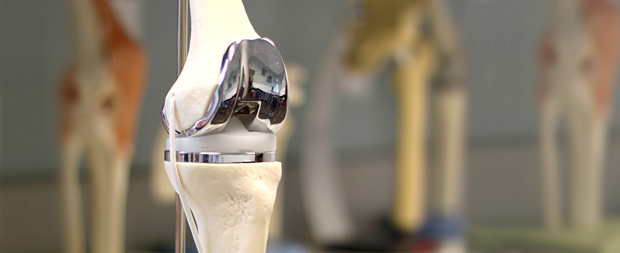
What Is Partial Knee Replacement?
Partial knee replacement, also known as unicompartmental knee replacement, is a knee replacement procedure in which only the damaged compartment of the knee is replaced with an artificial implant. Unlike total knee replacement, where the entire knee joint surface is replaced, partial knee replacement focuses only on the affected portion.
The knee has three main compartments:
- Medial compartment: Inner side of the knee
- Lateral compartment: Outer side of the knee
- Patellofemoral compartment: Front part of the knee, between the kneecap and thigh bone
If arthritis or cartilage damage is confined to one compartment, partial knee replacement can preserve healthy structures, potentially leading to a more natural feel and faster recovery than total knee replacement. Benefits include quicker recovery, less pain, reduced blood loss, and preservation of healthy knee tissues for suitable candidates, according to AAOS.
When Is Partial Knee Replacement Recommended?
Partial knee replacement is usually recommended when knee arthritis is limited to one compartment of the knee and non-surgical treatments are no longer providing relief.
This surgery is generally considered when arthritis has progressed enough to affect quality of life but has not damaged the entire knee joint.
Types of Partial Knee Replacement
Partial knee replacement is not a single standard procedure for every patient. The type depends on which compartment of the knee is damaged.
1. Medial Partial Knee Replacement
This is the most common type. It is performed when arthritis affects the inner side of the knee. Many patients with bow-leg alignment or inner knee pain may have medial compartment arthritis.
2. Lateral Partial Knee Replacement
This procedure is performed when arthritis affects the outer side of the knee. It is less common than medial partial knee replacement but can be highly effective in suitable patients.
3. Patellofemoral Partial Knee Replacement
This is done when arthritis mainly affects the front part of the knee, especially the joint between the kneecap and thigh bone. Patients may feel pain while climbing stairs, squatting, or getting up from a chair.
The purpose of all three types is to replace only the damaged part while preserving the healthy compartments of the knee.
Partial Knee Replacement vs Total Knee Replacement
Many patients ask whether they need partial knee replacement or total knee replacement. The answer depends on how much of the knee is damaged.
| Point | Partial Knee Replacement | Total Knee Replacement |
|---|---|---|
| Area treated | Only one damaged compartment | Entire knee joint |
| Healthy bone preservation | More healthy bone is preserved | More joint surface is replaced |
| Incision | Usually smaller | Usually larger |
| Recovery | Often faster | Usually longer |
| Natural knee feeling | May feel more natural | May feel less natural than partial replacement |
| Best for | Arthritis limited to one compartment | Arthritis affecting multiple compartments |
Partial knee replacement is suitable when arthritis or cartilage damage is limited to only one compartment of the knee. In this procedure, only the damaged part is replaced while the healthy bone, ligaments, and remaining knee compartments are preserved.
However, partial knee replacement is not the right choice for every patient. If arthritis has spread to more than one compartment or the overall knee joint is severely damaged, total knee replacement may be a more suitable option.
Why Choose ASIC Clinic?
Choosing the right clinic is one of the most important decisions for partial knee replacement. Since this procedure depends heavily on accurate patient selection, surgical precision, and correct implant positioning, it should be performed by an experienced orthopaedic and joint replacement specialist.
Experienced Orthopaedic Care
ASIC Clinic is led by Dr. Atul Mishra, an orthopaedic specialist known for knee replacement, joint replacement, and sports injury care.
Personalised Treatment Planning
At ASIC Clinic, the focus is not on recommending surgery to every patient. Dr Mishra first studies the patient’s symptoms, X-rays, physical examination, lifestyle, age, activity level, and medical history. Surgery is advised only when it is clinically suitable.
Knee Preservation Approach
Partial knee replacement is a knee-preserving procedure. The aim is to treat the damaged compartment while maintaining as much natural knee function as possible.
Advanced Surgical Support
The clinic offers specialized orthopaedic care with a focus on joint replacement and minimally invasive procedures. This helps patients receive treatment that is aligned with their diagnosis and recovery goals.
Patient-Friendly Consultation
Many patients are anxious before knee surgery. A clear consultation helps them understand the problem, treatment options, expected recovery, and realistic outcomes before making a decision.
Patient Journey at ASIC Clinic
1. Initial Consultation
The process starts with a detailed consultation. Dr listens to the patient’s symptoms, checks pain location, examines knee movement, and understands how the pain affects daily life.
2. Diagnosis and Imaging
X-rays are usually required to understand the damaged compartment. In some cases, MRI or additional tests may be advised to check cartilage, ligaments, and the exact extent of arthritis.
3. Treatment Discussion
If the damage is limited to one compartment, partial knee replacement may be discussed. If arthritis is advanced in multiple compartments, total knee replacement may be more appropriate.
4. Pre-Surgery Preparation
Before surgery, the patient may need blood tests, fitness evaluation, medicine review, and instructions regarding food, medicines, and physiotherapy.
5. Surgery
During surgery, the damaged bone and cartilage are removed from the affected compartment. The surgeon then places the implant to restore smoother knee movement.
6. Post-Surgery Mobilization
Patients are usually encouraged to start movement early under supervision. Walking support may be used initially.
7. Physiotherapy and Recovery
Physiotherapy plays a major role in regaining strength, flexibility, balance, and confidence. The recovery plan is customized according to the patient’s condition.
When Should You Consult a Partial Knee Replacement Surgeon?
You should consult an orthopaedic specialist if:
- Knee pain is affecting your walking
- You avoid stairs because of knee pain
- Pain is mostly on one side of the knee
- Medicines and physiotherapy are no longer helping
- You have been told you have knee arthritis
- You want to know whether you need partial or total knee replacement
- You want a knee-preserving surgical option
Early evaluation can help you understand whether partial knee replacement is suitable or whether other treatments can still help.
FAQs About Partial Knee Replacement
Partial knee replacement is a surgery in which only the damaged compartment of the knee is replaced with an artificial implant. The healthy parts of the knee are preserved.
Partial knee replacement may be better for patients with arthritis limited to one part of the knee. Total knee replacement is usually better when arthritis affects multiple compartments.
Many patients resume routine activities in around six weeks, but complete recovery can take a few months depending on age, health, activity level, and physiotherapy progress.
Some pain and swelling are expected after surgery, but it is managed with medicines, icing, physiotherapy, and proper care. Many patients experience less post-surgery pain compared with total knee replacement.
Many patients are encouraged to walk with support soon after surgery, depending on their condition and surgeon’s advice.
Implant life varies from patient to patient. It depends on age, weight, activity level, implant type, surgical accuracy, and long-term knee care.
The replaced compartment does not develop arthritis again, but arthritis may develop later in other compartments of the knee. This is one reason why careful patient selection is important.
Dr. Atul Mishra provides specialized orthopaedic and joint replacement care at ASIC Clinic, with experience in knee replacement, partial knee replacement, revision knee replacement, minimally invasive surgery, and sports injury management.