
Best Joint Replacement Surgeon in Delhi Dr. Atul Mishra
If you are looking for a Joint Replacement Surgeon in Delhi, Dr. Atul Mishra at ASIC Clinic offers over 27+ years of dedicated experience in knee, hip, and shoulder replacement surgery. Widely regarded as one of the best Joint Replacement Surgeons in Delhi, Dr. Mishra has performed more than 20,000 successful joint replacement and arthroscopic procedures, combining advanced surgical technology with a patient-first approach to care.
As Director of ASIC Clinic and Senior Orthopaedic Consultant & HOD Orthopedics at Fortis Hospital, Noida, Dr. Mishra brings hospital-grade expertise directly to his patients — from the first consultation through post-surgery recovery. His practice serves patients not only across Delhi but throughout the wider region, making him a trusted best Joint Replacement Surgeon in Delhi NCR for those travelling from Noida, Gurgaon, Ghaziabad, and Faridabad.
Whether you're dealing with early-stage joint pain or need advanced revision surgery, Dr. Mishra provides accurate diagnosis, individualized treatment planning, and a structured recovery pathway designed around your specific condition.
Why Patients Across Delhi NCR Choose Dr. Atul Mishra
- 27+ years of orthopaedic surgical experience, with over 20,000 joint replacement and arthroscopic surgeries performed
- 1,000–1,200 joint replacement surgeries and 600+ arthroscopic procedures performed annually
- Director, ASIC Clinic — a dedicated centre for joint replacement and arthroscopic surgery in Delhi
- Senior Orthopaedic Consultant & Head of Department, Orthopaedics, Fortis Hospital, Noida
- Trained internationally in advanced knee, hip, and shoulder surgery techniques
- Expertise in minimally invasive, computer-assisted, and robotic-assisted joint replacement
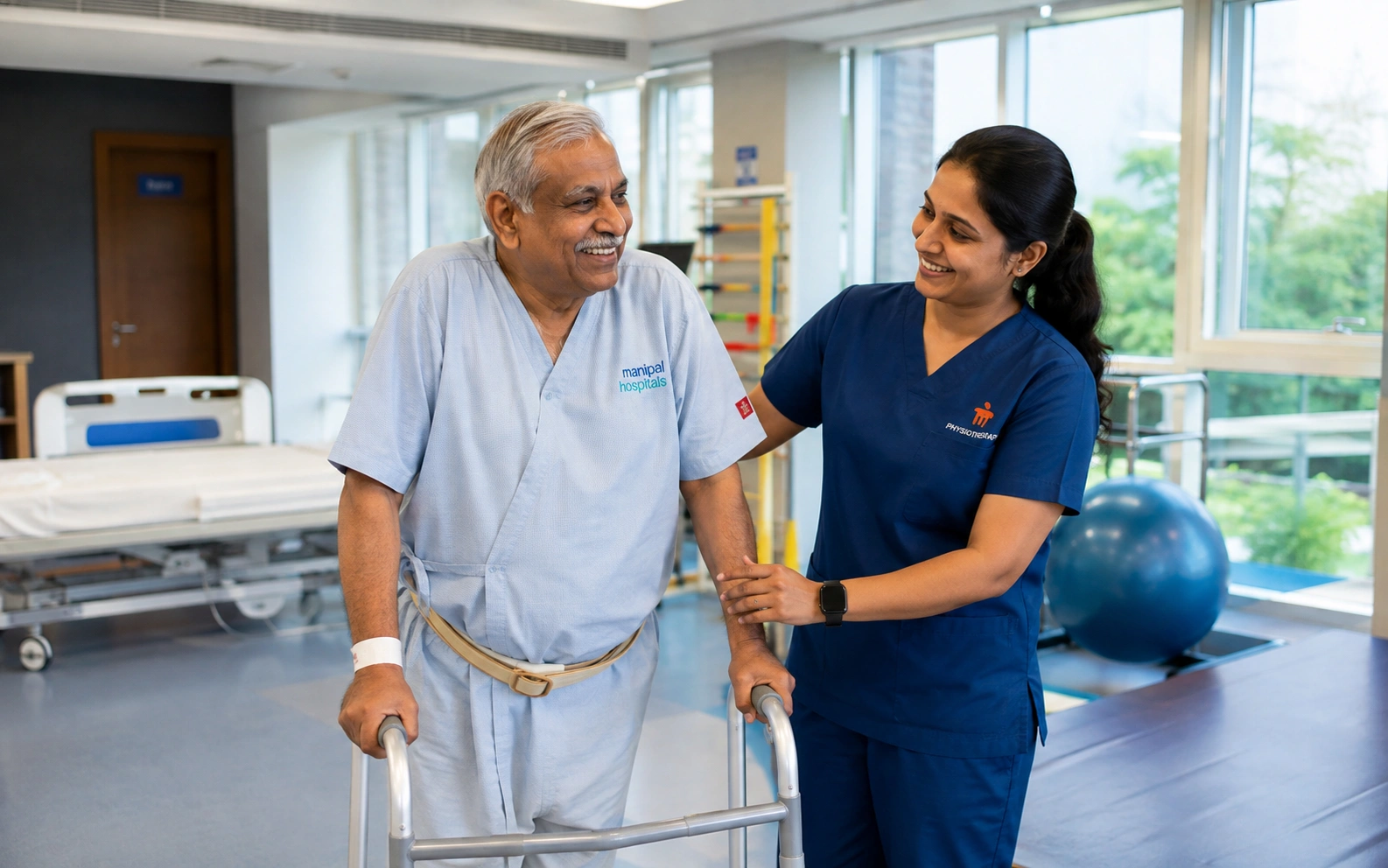
- Individualized, day-1 physiotherapy-driven recovery protocols to help patients return to daily activities faster
27+
Years of Experience
20,000+
Surgeries Performed
1,200
Joint Replacements / Year
4.9★
318 Google Reviews
Joint Replacement Treatments Offered by Dr. Atul Mishra
Total Knee Replacement
For patients with advanced knee arthritis or severe joint damage, total knee replacement restores mobility by replacing the entire damaged joint surface with a precision-engineered implant.
Partial Knee Replacement
Where only part of the knee is affected, partial knee replacement preserves healthy bone and tissue while relieving pain — often allowing for a faster recovery than total replacement.
Total Hip Replacement
Dr. Mishra performs total hip replacement using modern minimally invasive techniques to reduce blood loss, minimize scarring, and shorten hospital stay.
Shoulder Replacement & Arthroscopy
From rotator cuff repair to full shoulder replacement, Dr. Mishra treats a wide range of shoulder joint conditions using arthroscopic (keyhole) techniques wherever suitable.
Robotic & Computer-Assisted Joint Replacement
Robotic-assisted surgery allows for higher precision implant placement, reduced tissue damage, and faster functional recovery compared to conventional techniques.
Revision Joint Replacement
For patients whose previous joint replacement has failed or worn out, Dr. Mishra offers revision surgery using specialized techniques to restore function.
When Should You Consult a Joint Replacement Surgeon in Delhi?
You may need to consult a joint replacement surgeon if you experience:
- Persistent joint pain that limits daily activities like walking, climbing stairs, or sitting
- Joint stiffness or reduced range of motion that hasn't improved with medication or physiotherapy
- Visible joint deformity or swelling
- Pain that disturbs sleep or worsens with rest
- Imaging (X-ray/MRI) showing advanced cartilage loss or joint degeneration
Early consultation with an experienced Joint Replacement Surgeon in Delhi allows for timely, less invasive treatment options before the condition progresses to a stage requiring more complex surgery.
What Happens During Joint Replacement Surgery
1
Medical evaluation and imaging
X-rays, MRI, and blood tests to assess joint condition.
2
Anaesthesia and pain management planning
The anaesthesia approach and post-operative pain control plan are decided with you before the day of surgery.
3
Removal of damaged bone and cartilage
The worn joint surfaces are carefully removed to prepare the bone for the implant.
4
Precision implant placement
The implant is positioned and aligned, using computer-assisted or robotic guidance where suitable.
5
Wound closure and initial dressing
The incision is closed and dressed under sterile protocol.
6
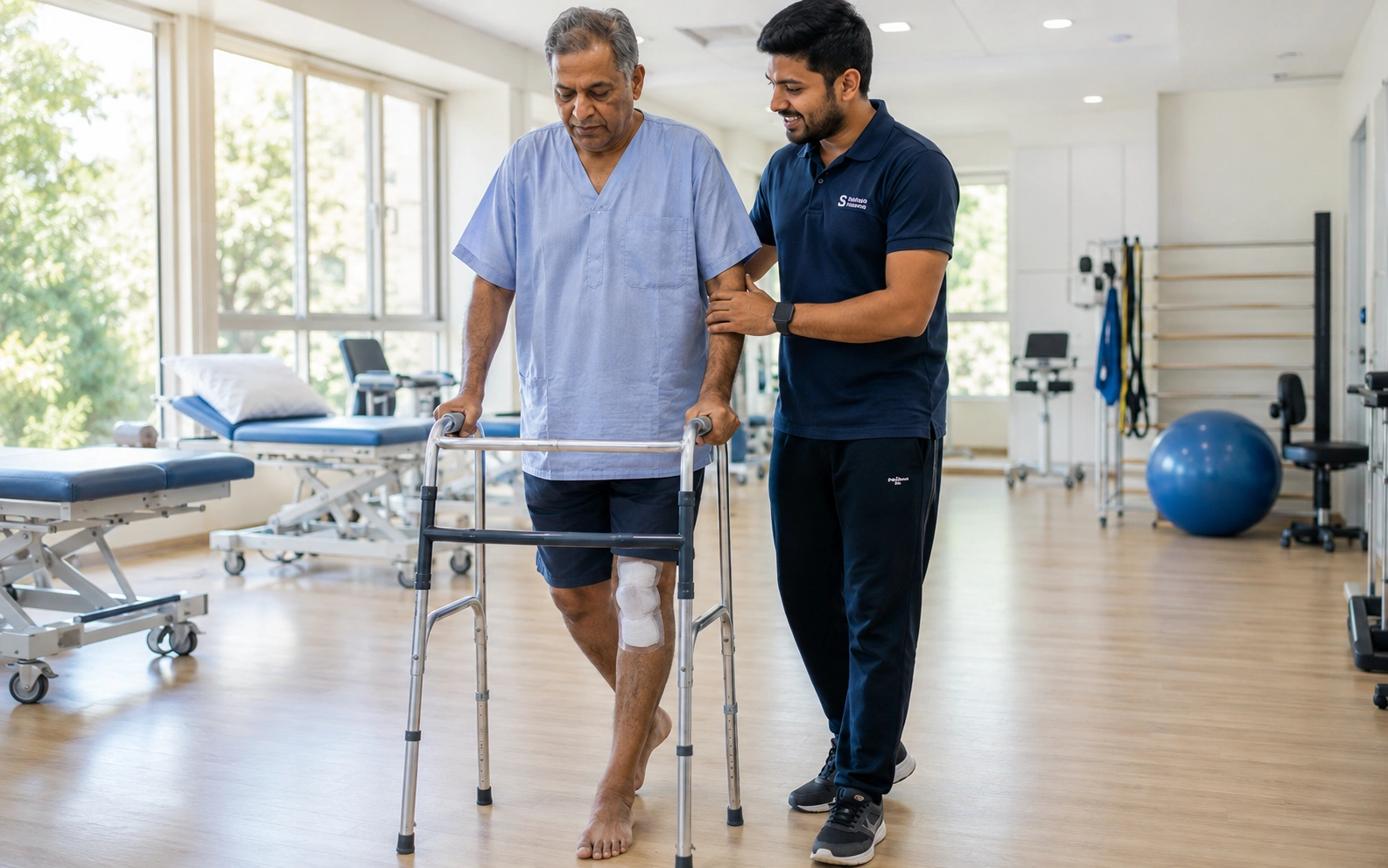
Day-1 physiotherapy
Guided exercises begin on day 1 to start early mobilization.
Surgery typically takes 60–90 minutes per joint, with hospital stays and recovery timelines varying based on the joint involved and the patient's overall health.
What Our Patients Say
Verified reviews from Google
4.9Frequently Asked Questions
Who is the best Joint Replacement Surgeon in Delhi?
Dr. Atul Mishra is a leading Joint Replacement Surgeon in Delhi with over 27+ years of experience and 20,000+ successful surgeries, currently practicing at ASIC Clinic and Fortis Hospital, Noida.
How long does recovery take after joint replacement surgery?
Most patients begin physiotherapy on day 1 and can resume light daily activities within 2–6 weeks, depending on the joint replaced and individual recovery pace.
Is robotic joint replacement better than conventional surgery?
Robotic-assisted surgery offers higher precision in implant placement, which can improve alignment and potentially speed up recovery, though the right approach depends on individual patient assessment.
Do you treat patients from Delhi NCR (Noida, Gurgaon, Ghaziabad)?
Yes, Dr. Mishra regularly treats patients from across Delhi NCR, with consultations available at ASIC Clinic and Fortis Hospital, Noida.
What is the cost of joint replacement surgery in Delhi?
Costs vary depending on the joint, implant type, and hospital. Book a consultation for a personalized assessment and cost estimate.
Book a Consultation with Delhi's Trusted Joint Replacement Surgeon
If joint pain is affecting your daily life, don't wait for it to worsen. Consult Dr. Atul Mishra, a best Joint Replacement Surgeon in Delhi NCR, for an accurate diagnosis and a treatment plan built around your needs.
Book Appointment Call: +91-9958220400