
Best ACL Surgeon in Delhi NCR Dr. Atul Mishra
A torn ACL is one of the most common — and most feared — sports injuries, especially if you play football, badminton, basketball, or any sport that involves sudden stops and direction changes. The good news is that ACL reconstruction is one of the most well-established procedures in orthopaedics today, with high success rates when it's done by an experienced hand. Dr. Atul Mishra has been treating ACL injuries in Delhi NCR for over 27+ years and is recognised as one of the best ACL surgeons in the region, having performed arthroscopic knee surgery on hundreds of athletes and active patients.
If you're trying to find the right ACL surgeon in Delhi NCR, this page covers what an ACL injury actually is, how reconstruction surgery works, what recovery looks like, and when you can realistically expect to get back to your sport.
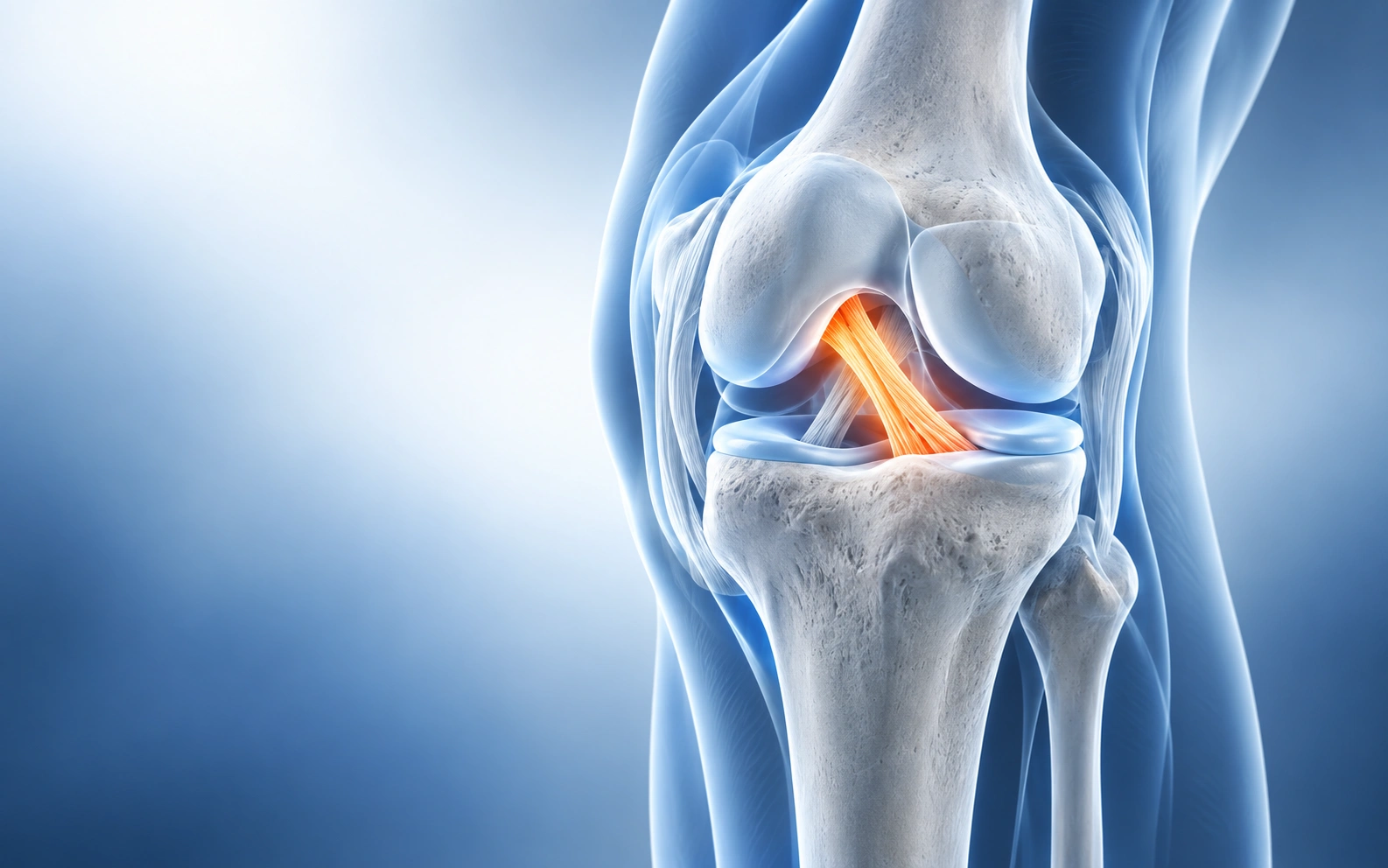
What Is an ACL Injury?
The ACL, or anterior cruciate ligament, is one of the main ligaments that keeps your knee stable. It sits deep inside the joint and stops your shinbone from sliding too far forward or twisting excessively relative to your thighbone. It's most commonly injured during sports that involve sudden pivoting, jumping, or a direct blow to the knee — football, cricket, badminton, and basketball are frequent culprits.
Most people know the moment it happens. There's often a loud "pop," followed by swelling within a few hours and a knee that feels like it's going to give way. Unlike a lot of knee injuries, an ACL tear usually doesn't heal on its own, because the ligament doesn't have a good blood supply once it's torn.
Signs You May Need to See an ACL Surgeon
Not every knee injury needs surgery, but these signs are worth getting checked by an ACL surgeon in Delhi as soon as possible:
- A "popping" sensation at the time of injury, followed by swelling within hours
- A feeling that your knee is unstable or about to "give way," especially when turning or changing direction
- Difficulty putting full weight on the leg right after the injury
- Ongoing instability weeks or months after the original injury, even after the swelling has gone down
- An MRI report confirming a partial or complete ACL tear
An MRI is usually needed to confirm the diagnosis and rule out other injuries — meniscus tears and ACL tears often happen together.
Why Choose Dr. Atul Mishra as Your ACL Surgeon in Delhi NCR
There's no shortage of surgeons offering ACL reconstruction in Delhi NCR, so here's what's actually relevant when you're comparing options:
- 27+ years of experience in knee and sports injury surgery
- 600+ arthroscopic procedures performed every year, a large share of which are ACL and related ligament and meniscus surgeries
- Trained internationally in knee surgery and sports medicine, including at the Rizzoli Orthopedic Institute, Bologna, Italy and University of Philipps, Marburg, Germany
- Director of ASIC Clinic and Senior Orthopaedic Consultant & HOD Orthopedics at Fortis Hospital, Noida
- Uses all-arthroscopic, keyhole technique for ACL reconstruction — no large incisions, day-care or overnight-stay surgery in most cases
When you're picking an ACL surgeon, it's worth asking directly how many ACL reconstructions they personally perform each year, and what graft option they typically recommend for someone with your activity level. Read more about Dr. Mishra's background here.
ACL Reconstruction: How the Surgery Works
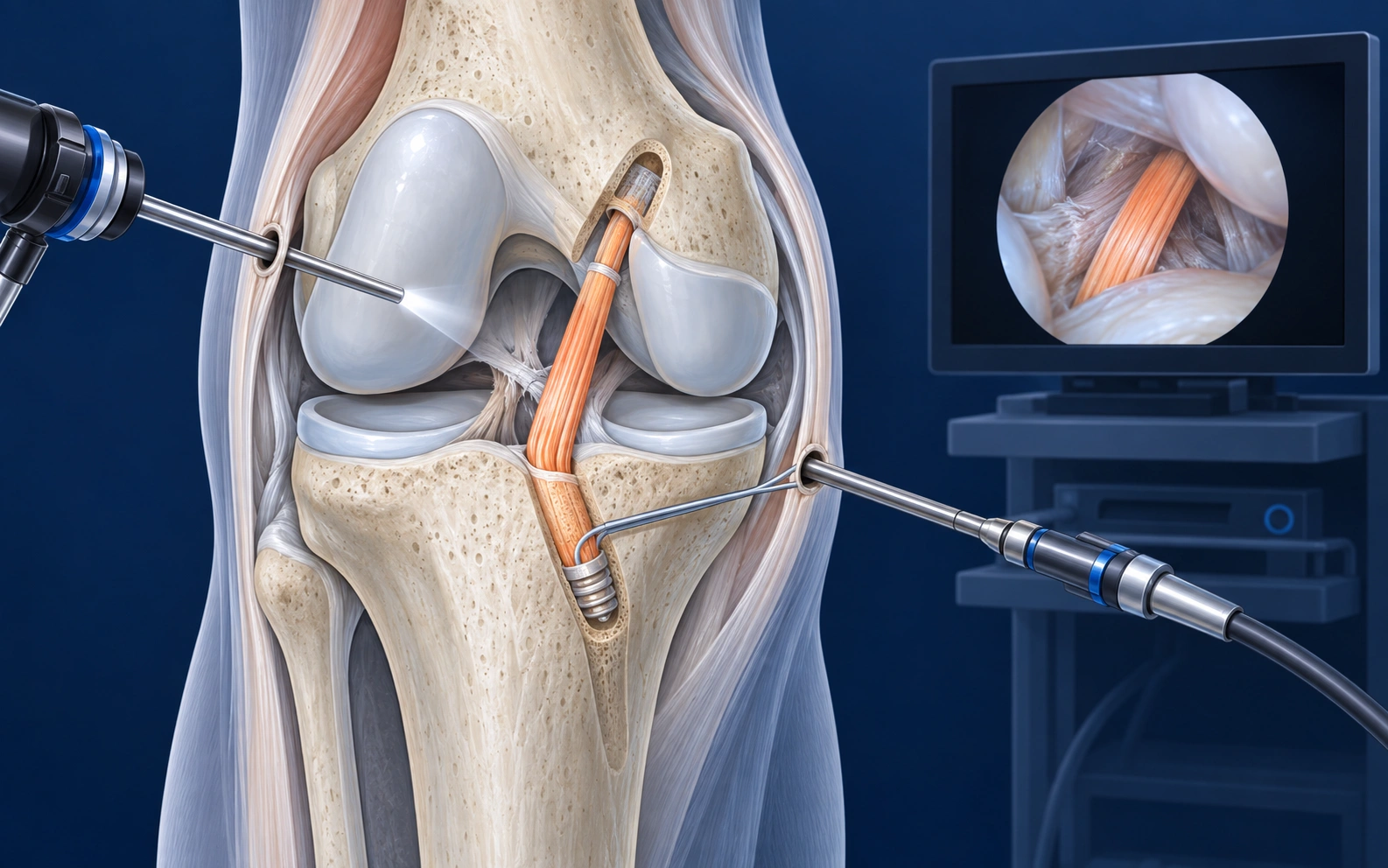
ACL reconstruction isn't a repair of the torn ligament — the original ACL is removed and replaced with a graft that takes over its job. The graft is usually taken from one of the following:
Hamstring Tendon
Taken from the back of your own thigh. The most commonly used graft in India, with a strong track record for both younger and older patients.
Most CommonQuadriceps Tendon
Often preferred for larger or more active patients needing extra graft strength.
Higher StrengthPatellar Tendon
A well-studied option, sometimes used for high-level athletes.
For Elite AthletesDr. Mishra will recommend the graft type best suited to your age, activity level, and knee anatomy during your consultation, rather than using a one-size-fits-all approach.
The ACL Surgery Procedure — Step by Step
1
Diagnosis and planning
An MRI confirms the extent of the tear and checks for any associated meniscus or cartilage damage. This also helps plan graft choice in advance.
2
Anaesthesia
The surgery is done under spinal or general anaesthesia, decided with the anaesthetist based on your overall health.
3
Graft harvesting
A small incision is made to harvest the graft tissue (commonly the hamstring tendon), which is then prepared for implantation.
4
Arthroscopic reconstruction
Using an arthroscope (a thin camera) and small instruments through tiny incisions, the surgeon removes the torn ACL remnant, drills precise tunnels in the bone, and threads the new graft through to replace the ligament.
5
Fixation
The graft is secured in place using screws, buttons, or anchors, depending on the technique used.
6
Closing up
The small incisions are closed, and most patients are up and walking with support on the same day.
Most ACL reconstruction surgeries take between 45 and 90 minutes, depending on whether other injuries (like a meniscus tear) are being treated at the same time.
Recovery and Return to Sport After ACL Surgery
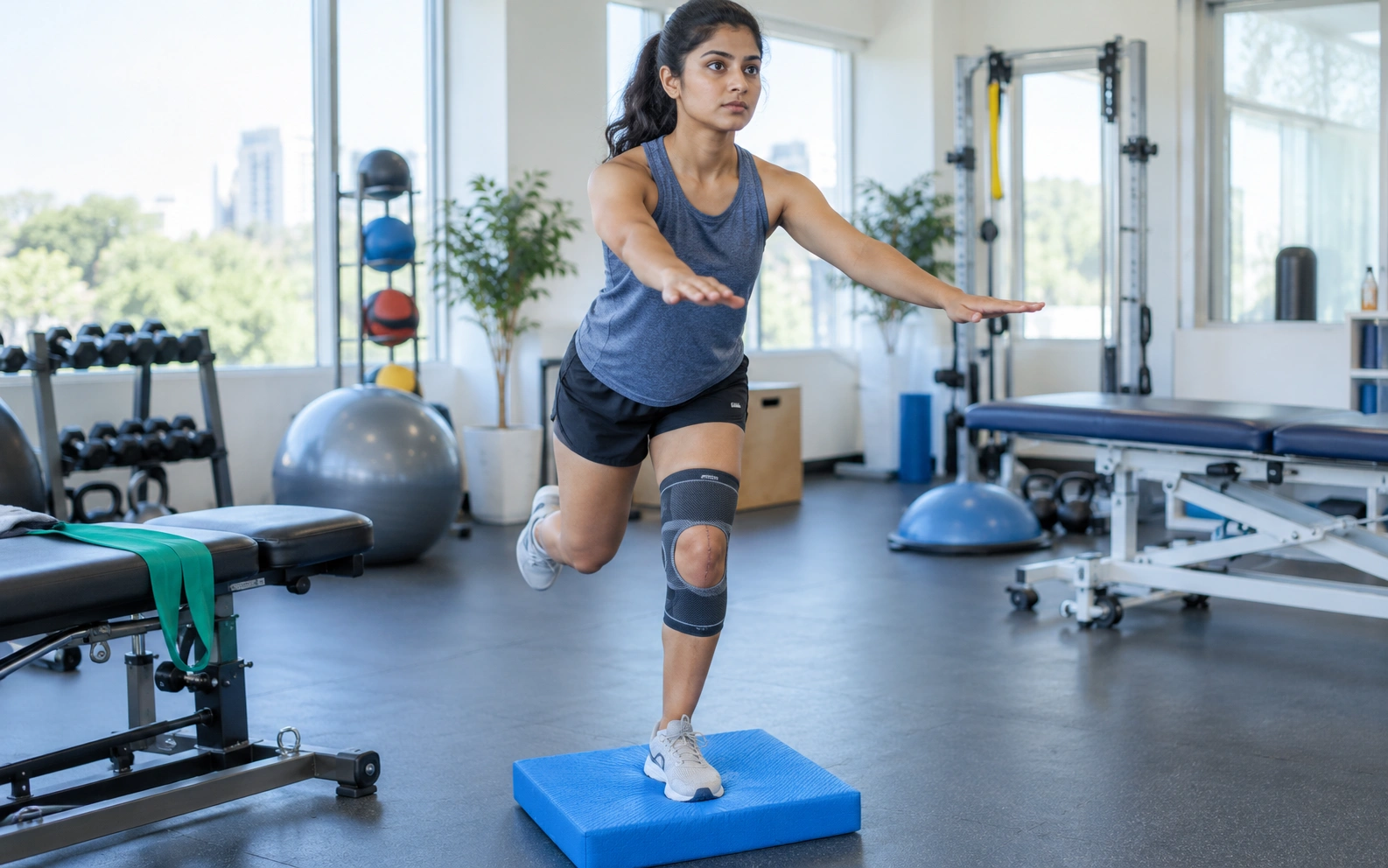
Recovery from ACL reconstruction is a gradual process, and rushing it is one of the biggest reasons for re-injury. Here's a general timeline:
| Time after surgery | What to expect |
|---|---|
| Day 1 | Walking with crutches and a knee brace, starting basic physiotherapy |
| 2–3 weeks | Swelling reduces, gentle range-of-motion exercises begin |
| 6 weeks | Most patients are walking without crutches |
| 3 months | Light jogging may begin, depending on physiotherapy progress |
| 6–9 months | Gradual return to sport-specific training |
| 9–12 months | Return to competitive sport, once strength and stability testing clears you |
Physiotherapy is not optional after ACL surgery. The surgery restores the ligament, but rehabilitation is what restores strength, balance, and confidence in the knee. Dr. Mishra's team works with patients on a structured, sport-specific rehab plan rather than a generic exercise sheet.
Cost of ACL Surgery in Delhi NCR
ACL reconstruction costs vary from patient to patient, and it's not something we can put a single accurate number to on a webpage. The main factors that affect cost are:
- The graft type used (hamstring, quadriceps, or patellar tendon)
- Whether other injuries (meniscus tear, cartilage damage) are being treated in the same surgery
- The hospital and room category chosen
- Pre-surgery tests and physiotherapy included in the package
Contact ASIC Clinic for a personalised cost estimate once Dr. Mishra has reviewed your MRI and examined your knee.
Frequently Asked Questions
Who is the best ACL surgeon in Delhi NCR?
There are several experienced ACL surgeons practicing in Delhi NCR. Dr. Atul Mishra is one of them, with over 27+ years of experience and 600+ arthroscopic procedures performed annually, including ACL reconstructions. It's worth asking any surgeon you're considering how many ACL cases they personally handle each year.
Does a torn ACL always need surgery?
Not always. Some patients, particularly those who are less active or older, can manage with physiotherapy and bracing. However, athletes and anyone experiencing knee instability usually benefit from ACL reconstruction to avoid further joint damage over time.
How long does ACL surgery take?
Most ACL reconstructions take between 45 and 90 minutes, depending on whether other injuries are treated during the same procedure.
How soon can I walk after ACL surgery?
Most patients walk with crutches and a brace on the same day as surgery, and are usually walking without crutches by around 6 weeks, depending on progress in physiotherapy.
When can I return to sport after ACL reconstruction?
Most patients return to competitive sport between 9 and 12 months after surgery, once strength and stability have been properly assessed. Returning earlier increases the risk of re-injury.
What graft is used for ACL reconstruction?
The most commonly used graft is the patient's own hamstring tendon, though quadriceps or patellar tendon grafts may be recommended depending on the patient's age, activity level, and knee anatomy.
Book a Consultation with a Trusted ACL Surgeon in Delhi NCR
If you've injured your knee and suspect an ACL tear, getting an accurate diagnosis early makes a real difference to your recovery. Book a consultation with Dr. Atul Mishra for a thorough evaluation and a treatment plan built around your activity level and goals.
Book an Appointment Call: +91 99582 20400